Musty smell, black spots or mould after a leak? PG Restorations finds the moisture source, safely removes mould, cleans the air and dries your home so it does not come back. Local and available 24/7.
Mould remediation (also called mold removal) is the professional process of finding the moisture source, containing the affected area, safely removing mould-damaged materials, cleaning surfaces and air with HEPA filtration, and drying the structure so mould does not return.
Mould needs only moisture, a food source like drywall or wood, and a day or two to start growing. In Prince George homes it often follows a burst pipe, a roof leak, a flooded basement, or condensation from long winters with closed windows.
Spraying bleach or painting over mould rarely solves the problem. The roots stay in porous materials, and the moisture that caused it is still there. Our team fixes both the mould and the cause.
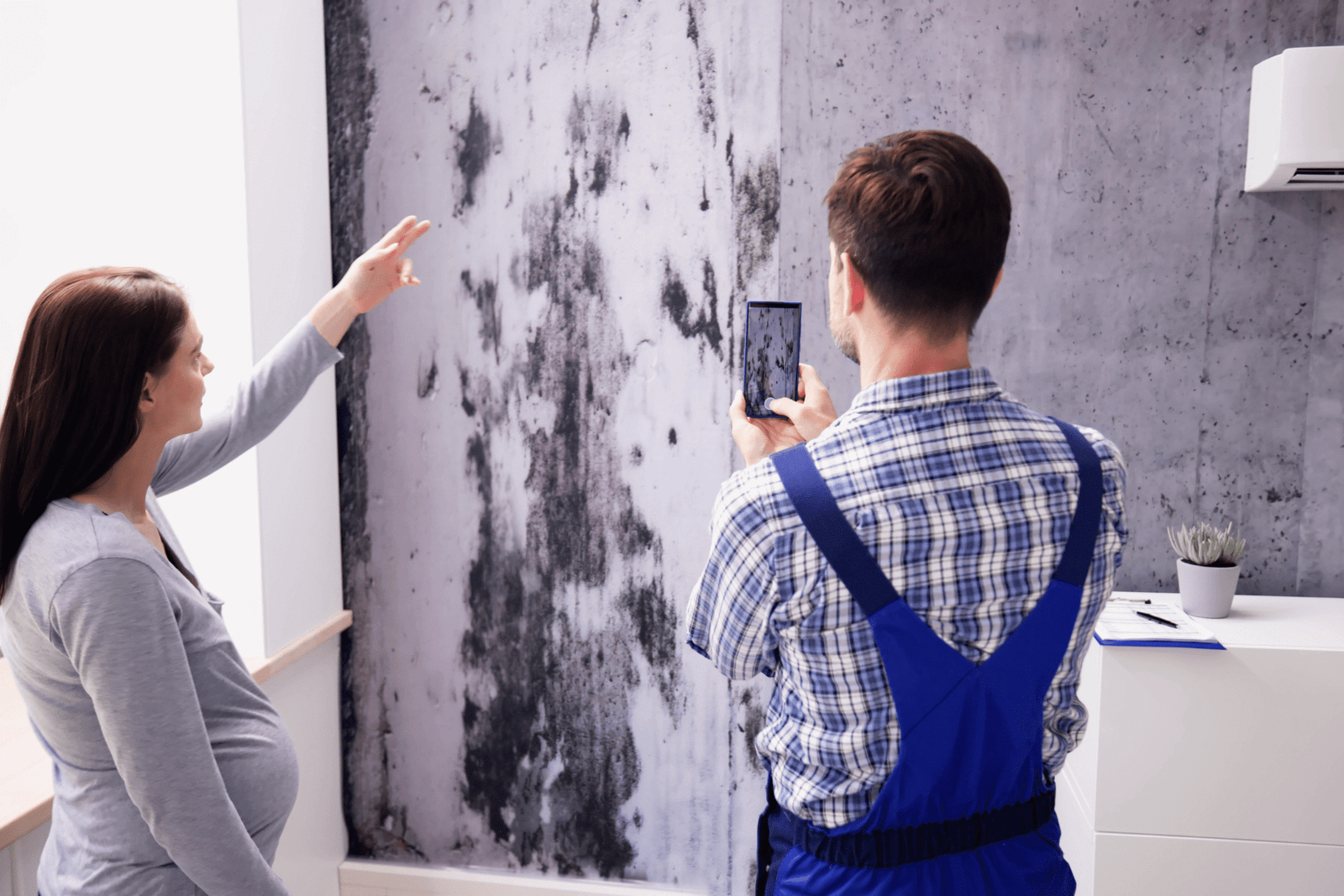
High humidity, seepage and past floods make basements the most common spot. See flood damage restoration.
Leaks under sinks, around tubs and behind dishwashers feed hidden growth.
Roof leaks, ice dams and poor ventilation lead to mould on sheathing and insulation.
Slow plumbing leaks inside walls grow mould you cannot see. Water damage restoration.
Winter condensation on frames and sills is common in Prince George.
Water used to put out a fire can lead to mould if not dried fast. Fire damage restoration.
We find visible and hidden mould and the moisture causing it.
Plastic barriers and negative air stop spores spreading to clean rooms.
Affected drywall, insulation and materials are removed safely.
HEPA vacuuming, surface cleaning and air filtration.
We dry the structure and confirm it with moisture readings.
We rebuild walls, floors and finishes.
Common signs are a musty smell, black, green or white spots on walls, ceilings or around windows, peeling paint, and water stains. Mould often grows hidden behind drywall, under flooring or in basements and attics after a leak. A professional inspection with moisture meters finds the moisture source and the extent of growth.
Yes. Mould and mold are the same thing; mould is the Canadian spelling. Professional remediation means containing the area, removing affected materials safely, cleaning with HEPA filtration and fixing the moisture problem so it does not come back.
Small spots under about one square metre on hard surfaces can often be cleaned with soap and water while wearing gloves and a mask. Larger areas, mould on drywall or insulation, mould after a flood or sewer backup, or mould you can smell but not see should be handled by professionals.
Most residential mould jobs take 1 to 5 days depending on the size of the area and how much material must be removed. Drying and repairs can add time if water damage caused the mould.
Mould is usually covered only when it results from a sudden, covered water loss such as a burst pipe. Mould from long-term leaks, condensation or humidity is often excluded. Check your policy, and we will document the cause for your adjuster.
Call PG Restorations for an inspection. We will tell you honestly what you are dealing with and how to fix it.